
Research and analysis. Editorial standards.
Write a one-task brief
Before comparing subscriptions, select a task you do regularly. Describe the input, useful output, time available and acceptable error level. “Summarize five meeting notes with source references” gives you a better test than “make me productive.”
Decide whether the tool needs to answer, draft or take action. If drafting is enough, you may not need broad integrations. For sensitive work, check your organization’s approved services before uploading any sample.
Run a controlled comparison
Give candidate tools the same sanitized input and evaluate against the same rubric: factual accuracy, useful completeness, correction effort and ease of exporting the result. Record failures as well as successes. A fast answer that requires extensive checking may save little time.
Do not interpret a free trial as proof that a paid tier will support your volume or integrations. Confirm the current plan limits, cancellation rules and data handling terms directly with the provider before paying.
Calculate the useful cost
Include the subscription, setup time, manual review and any connector costs. If a tool saves 20 minutes a week but takes two hours to manage, the practical value may be small. Revisit the decision after a month of actual use.
We label hands-on testing when it has actually occurred. This article is a buying framework, not a ranked review or an affiliate recommendation.
Prefer a tool that meets your task reliably and allows you to leave with your work intact. Avoid committing to a long contract solely because a demo succeeds on a carefully chosen example.
Related articles

iPhone Duo Explained: The AI Features and Questions That Matter Before Launch
A source-based guide to Apple’s foldable iPhone, with a practical framework for judging Siri AI and everyday usefulness.
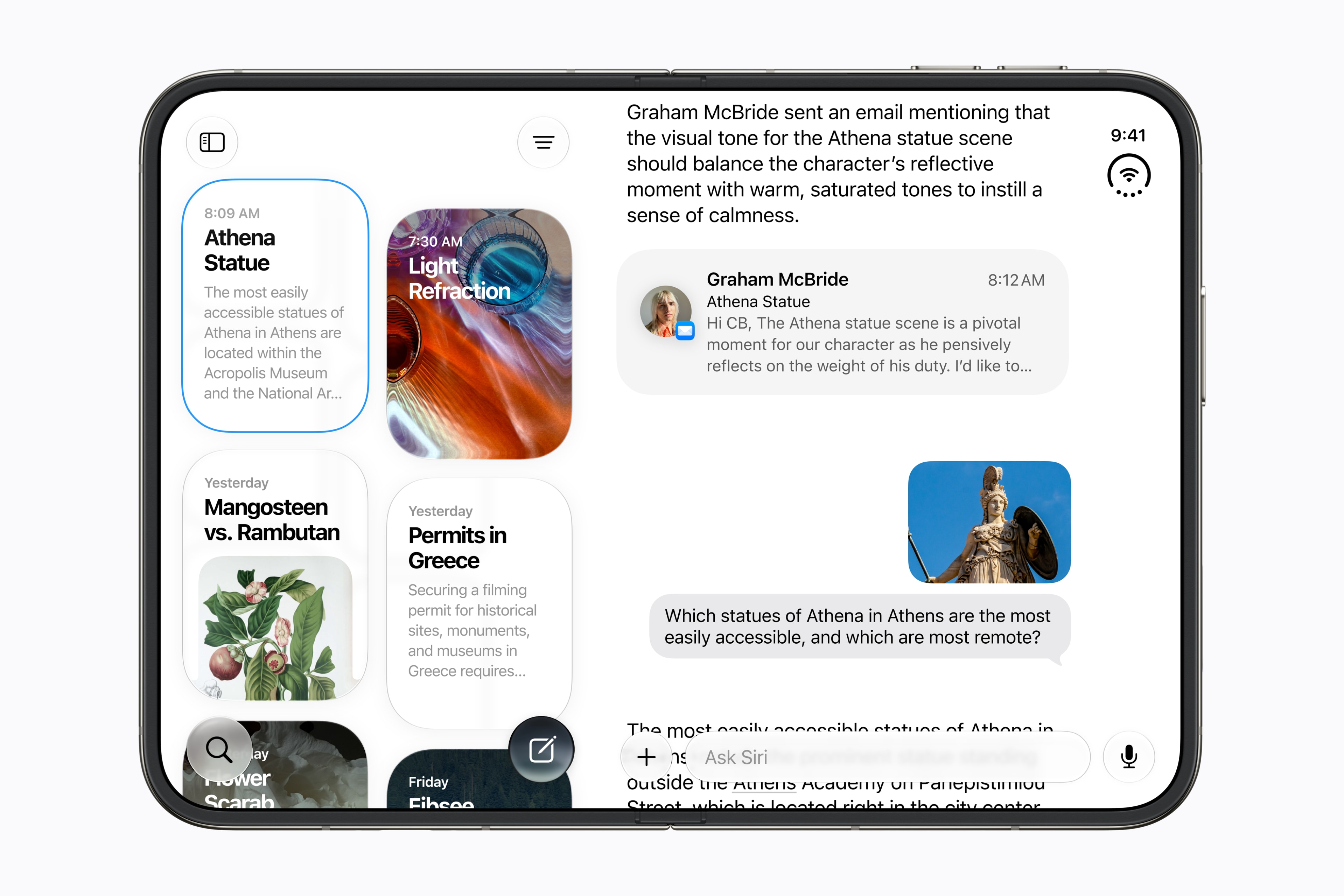
iPhone Duo and Siri AI: A Practical Privacy Checklist
Separate on-device processing, cloud requests and your own sharing decisions before using personal-context AI.

Google Gemini Agent Is Here: What It Does, How It Works and the Security Risks to Know
Google’s new workplace agent puts connected business systems in reach of a prompt. Here is what is confirmed, what remains unclear, and how to evaluate the risks.